This site contains affiliate links for which we may be compensated.

Mango Database
Mangoes in a sunlit tropical orchard

Mango Glossary

Understand the language of mango growing, one term at a time.

Explore Mango Terminology

Browse definitions and growing concepts to expand your mango knowledge.

Showing 1–7 of 10 terms

Genotype

Genotype is the genetic constitution of an organism. A mango seedling formed through fertilization has its own genetic combination, whereas a grafted scion normally preserves the genotype of its source tree. Genotype is distinct from phenotype, the characteristics actually observed under particular conditions. Poor flavor from immature fruit or weak growth in a saturated pot does not by itself demonstrate that a correctly labeled graft has changed genetically. Identity questions need provenance and, where appropriate, more specialized evidence.

Read more about Genotype
Geographical Indication

Geographical Indication

A geographical indication identifies a product whose origin is linked to a defined place and whose qualities, reputation, or characteristics are associated with that origin under an applicable legal system. In mango commerce it can distinguish a protected regional product from a cultivar name used elsewhere. Protection, labeling rules, and production specifications depend on the registration and jurisdiction. A geographical indication does not mean every fruit is identical, and a tree grown outside the defined area does not acquire the designation merely by sharing a cultivar name.

Read more about Geographical Indication

Germplasm

Germplasm is genetic material maintained or used for conservation, research, or breeding. In mangoes it can be represented by living trees, seeds, or other suitable plant material, accompanied by records that describe its identity and origin. A collection of many unlabeled trees is much less useful than a documented collection. Because seed propagation can change genotype and mango seed is not suited to conventional long-term dry storage, living collections and reliable vegetative propagation have particular importance.

Read more about Germplasm
GI

GI

GI is the abbreviation for geographical indication, a place-linked product designation used under particular legal frameworks. In mango discussions, it may refer to a protected regional product rather than to a botanical variety or a quality score. On commercial labels the abbreviation names the designation, not a separate horticultural attribute. Check the actual registered name and requirements before interpreting a GI claim; ordinary use of a famous region's name is not proof of certification.

Read more about GI
Graft

Graft

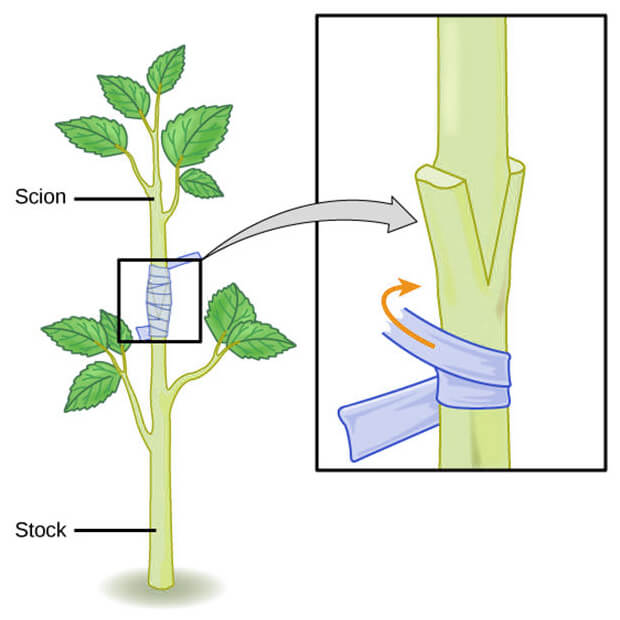
A graft is the union between a scion and a rootstock that allows them to grow as one plant. In mango, the scion supplies the named cultivar's above-ground growth, while the rootstock provides the root system and can influence vigor and adaptation. A graft is not a genetic blending of two varieties. Look for a healed, unconstricted junction when buying a tree, and remove unwanted shoots below it so rootstock growth does not replace the intended cultivar.

Read more about Graft

Graft Compatibility

Graft compatibility is the ability of a scion and rootstock to form and maintain a functioning, durable union. It is different from the initial appearance of callus or bud growth: a join can begin growing yet later develop weakness or poor transport between the parts. For mango propagation, use suitable, healthy material and established combinations where information is available. Compatibility does not mean that the rootstock guarantees dwarfing, disease resistance, or cold tolerance for every scion and location.

Read more about Graft Compatibility
Grafting

Grafting

Grafting is the process of joining living plant parts so their tissues heal together. Mango growers use it to reproduce a selected cultivar on a rootstock instead of relying on genetically variable seedlings. Success depends on compatible material, close contact between cambial regions, suitable growing conditions, and protection from drying and movement. Methods include veneer, cleft, and approach grafting. The best choice depends on stem size and local practice; no method makes unhealthy or mislabeled scion wood reliable.

Read the mango grafting FAQ

Read more about Grafting